
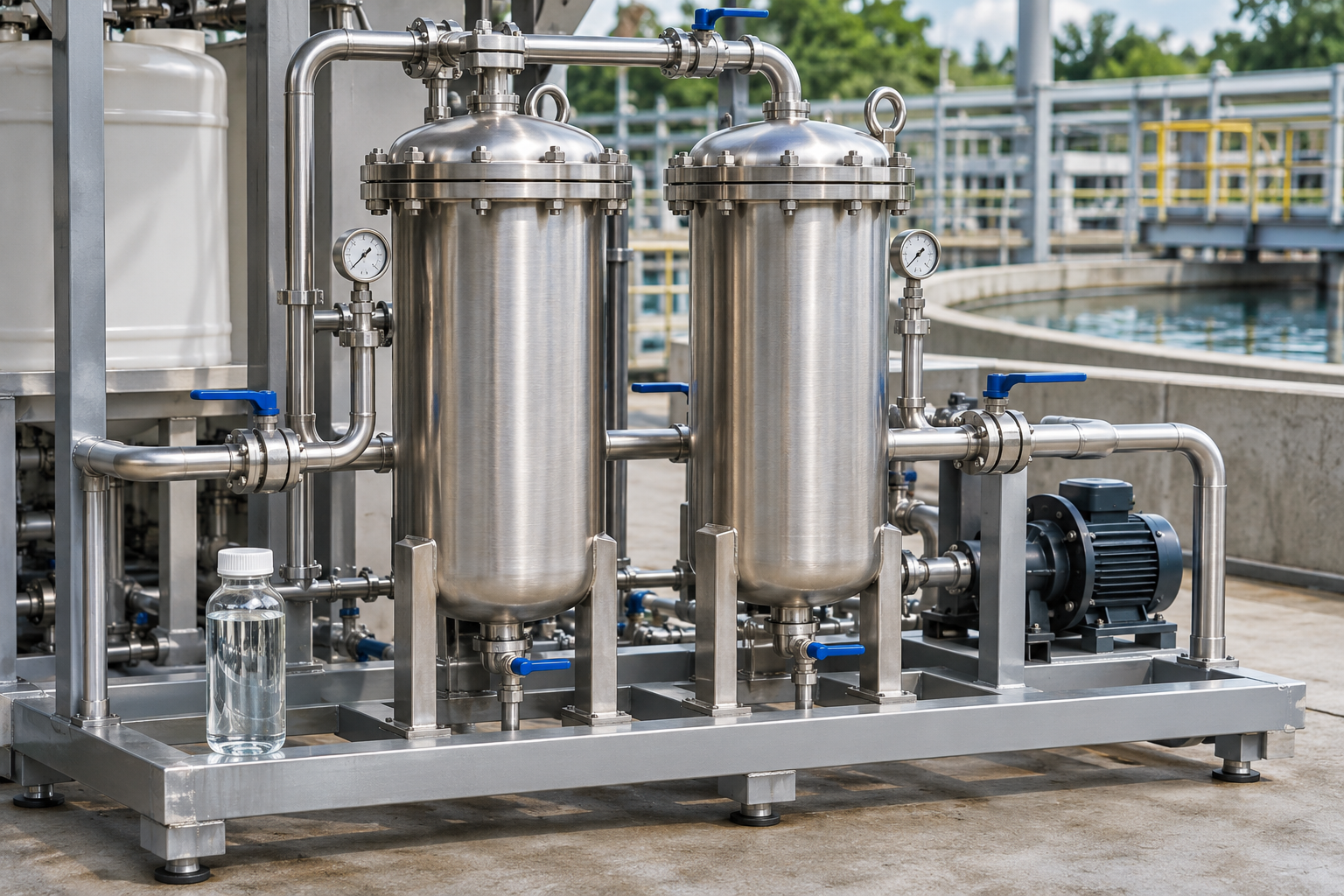
Before comparing two filtration proposals, align the liquid, flow, temperature, pressure, target particles, operating schedule and acceptance method. If the assumed conditions, media-rating definitions or supply scope differ, comparing the equipment price or stated capacity directly may be misleading.
Build a comparison using the same conditions
List the equipment model and material, bag or cartridge specification and quantity, effective area, connections, instruments and valves, consumables and spares, installation needs and documentation scope. Ask each supplier to state its calculation basis and any unconfirmed conditions. Separate design assumptions, supplier recommendations and site measurements. For material compatibility, pressure rating or a special application, check the documents for the specific equipment rather than relying on a short description.
Use one process-data sheet for both proposals. Include normal and peak flow, liquid composition and temperature, target filtration rating and its definition, pressure-drop boundary, available space, maintenance access and required spares. If a supplier uses different assumptions, list them separately instead of placing the results in the same comparison column as if they were equivalent.
Align acceptance and maintenance costs
Agree in advance on the test method, sampling location, operating conditions and responsible person. Do not compare a stated performance measure in one proposal with a marketing description in the other. Estimate media replacement, shutdown maintenance, cleaning and spare requirements, and mark the assumptions used. If the proposals differ substantially, request a technical clarification or controlled trial rather than filling gaps with unverified numbers.
Parker's filtration application inquiry requests operating details such as flow, viscosity at operating temperature and pressure. Using the same complete inputs for both proposals helps make sizing assumptions easier to compare; the actual requirements depend on the selected equipment and application.
Put every design assumption in the comparison
The table should include design flow, liquid composition and temperature, target rating, materials, filtration area, pressure-drop limit, media model, maintenance space and spare-part lead time. Ask each supplier to identify design margin, media-life estimates, wear parts, delivery time and after-sales scope. When proposals use different ratings or equipment designs, state the conditions each option is intended to meet rather than judging them by total price alone.
After completing the table, hold a technical clarification meeting and record the agreed answers. Confirm the assumptions that affect selection and make sure the purchasing specification matches the proposal selected. This helps avoid a gap between the quotation, order documents and the final supply list.
Filtration equipment inquiries
Shenzhen Guangxiangyu Technology Co., Ltd., established in 2009 in Longgang District, Shenzhen, supplies bag filter housings, precision filters, filter bags and cartridges. For a proposal discussion, share the common process-data sheet and both equipment configurations with Liu Nan, Sales Manager, at LiuNan2553@gmail.com. Final selection and acceptance requirements should be confirmed by the project stakeholders.
See our bag filter housings, precision filters, or contact page.
Technical reference
- Parker Filtration Application Inquiry. The form requests application information including flow, viscosity at operating temperature and operating pressure; use the selected equipment's own sizing data for final review.